In today’s competitive digital landscape, ranking a website on search engines requires more than simply targeting a few keywords. Search engines, especially Google, have become increasingly sophisticated in evaluating content quality, relevance, and expertise. One of the most effective ways to improve your website’s visibility and rankings is by building topical authority.
If you’re new to SEO, understanding topical authority can significantly impact your long-term search performance. In this guide, we’ll explain what topical authority is, why it matters, and how you can build it effectively in 2025.
What Is Topical Authority?
Topical authority refers to the level of expertise and trust your website demonstrates on a specific subject or niche. When your website consistently publishes comprehensive, high-quality content around a particular topic, search engines begin to recognize your site as an authoritative source.
For example, if you run a digital marketing website and publish in-depth articles about SEO, PPC advertising, content marketing, keyword research, link building, and analytics, Google is more likely to view your website as an authority on digital marketing.
The stronger your topical authority, the greater your chances of ranking for both competitive and long-tail keywords within that subject area.
Why Topical Authority Matters in 2025
Search engines are increasingly focused on providing users with the most reliable and comprehensive information. Google’s algorithms now prioritize websites that demonstrate expertise and cover topics thoroughly.
Building topical authority offers several benefits:
Improved Search Rankings
Authoritative websites often rank higher for a wider range of related keywords.
Increased Organic Traffic
As your content ranks for multiple search terms, your website attracts more visitors from search engines.
Better User Experience
Comprehensive content helps users find answers to their questions without needing to visit multiple websites.
Stronger Brand Trust
Users are more likely to trust and engage with websites recognized as experts in their industry.
Enhanced Internal Linking Opportunities
A well-structured content ecosystem improves navigation and distributes SEO value throughout your website.
Understanding Topic Clusters
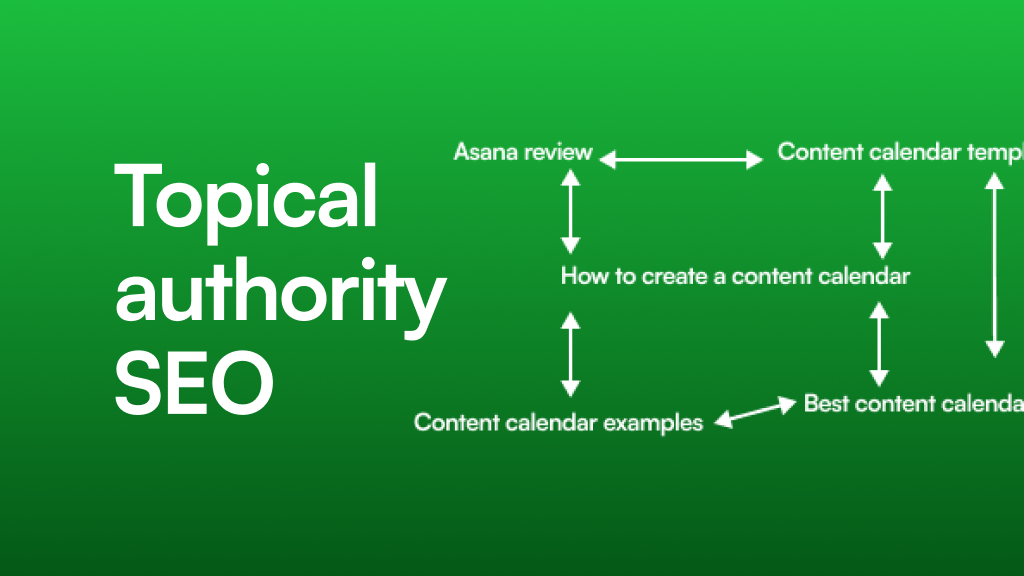
The foundation of topical authority is creating topic clusters.
A topic cluster consists of:
- A pillar page covering a broad subject.
- Multiple supporting articles that explore subtopics in detail.
- Internal links connecting all related content.
For example, if your main topic is SEO, your content cluster may include:
Pillar Page
- Complete Guide to SEO
Supporting Articles
- Keyword Research Strategies
- On-Page SEO Techniques
- Technical SEO Basics
- Link Building Methods
- Local SEO Optimization
- SEO Tools and Software
- SEO Content Writing
This structure helps search engines understand the relationship between your content and establishes your expertise on the topic.
Step 1: Choose a Specific Niche
Many beginners make the mistake of creating content on too many unrelated topics.
Instead, focus on a specific niche where you can consistently create valuable content.
Examples include:
- Digital Marketing
- Fitness and Health
- Personal Finance
- Technology
- Real Estate
- Education
- Travel
The more focused your niche, the easier it becomes to build authority.
Before choosing a niche, consider:
- Your expertise
- Audience demand
- Business goals
- Market competition
A clear niche provides direction for your content strategy.
Step 2: Perform Comprehensive Topic Research
Keyword research alone is no longer enough. You need topic research.
Start by identifying:
- Main topics
- Subtopics
- Frequently asked questions
- Related concepts
- Industry trends
Useful tools include:
- Google Search
- Google Trends
- Google Search Console
- Ahrefs
- Semrush
- AnswerThePublic
- AlsoAsked
Create a list of all content opportunities related to your primary topic.
For example, if your niche is SEO, your content map may include:
- Keyword research
- Technical SEO
- Content optimization
- Link building
- Local SEO
- E-commerce SEO
- Mobile SEO
- SEO analytics
This ensures complete topic coverage.

Step 3: Create High-Quality Pillar Content
Pillar content serves as the central hub for a topic cluster.
A good pillar page should:
- Cover the topic comprehensively.
- Be easy to navigate
- Include relevant internal links.
- Answer major user questions.
- Stay updated regularly
Pillar pages are typically longer than standard blog posts and provide a broad overview of the subject.
Think of your pillar page as the foundation of your authority-building strategy.
Step 4: Publish Supporting Content Consistently
Once your pillar page is live, start publishing supporting articles.
Each article should focus on a specific subtopic and provide detailed information.
For example:
Pillar Topic: SEO
Supporting Content:
- How to Conduct Keyword Research
- Best On-Page SEO Practices
- Technical SEO Checklist
- How to Build Quality Backlinks
- SEO Metrics That Matter
Every supporting article should link back to the pillar page and other relevant articles within the cluster.
This creates a strong internal linking structure that search engines can easily understand.

Step 5: Optimize Internal Linking
Internal links are essential for topical authority.
They help search engines:
- Discover new content
- Understand content relationships
- Pass authority between pages.
- Improve user navigation
Best practices include:
- Use descriptive anchor text.
- Link related articles naturally.
- Connect pillar pages with supporting content.
- Avoid excessive linking
A strategic internal linking structure strengthens your entire content ecosystem.
Step 6: Focus on Search Intent
Understanding user intent is critical for SEO success.
There are four primary types of search intent:
Informational
Users want information.
Example:
“What is topical authority?”
“What is topical authority?”
Navigational
Users are looking for a specific website.
Example:
“Google Search Console”
“Google Search Console”
Commercial
Users are researching products or services.
Example:
“Best SEO tools”
“Best SEO tools”
Transactional
Users are ready to take action.
Example:
“Buy SEO software”
“Buy SEO software”
Your content should match the user’s intent to improve rankings and engagement.
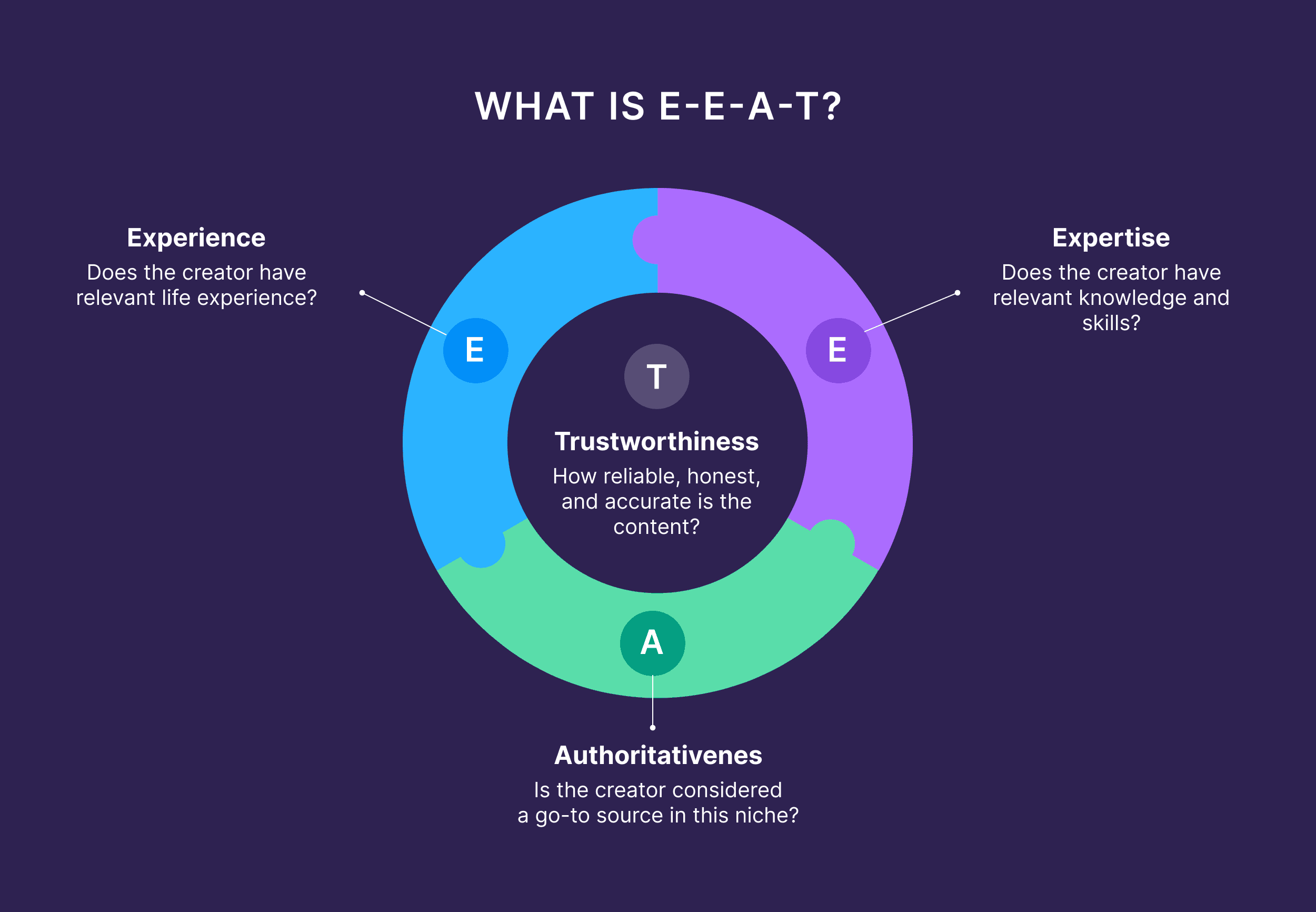
Step 7: Demonstrate Expertise and Trustworthiness
Google increasingly values Expertise, Experience, Authoritativeness, and Trustworthiness (E-E-A-T).
To strengthen credibility:
- Publish accurate information
- Cite reliable sources
- Include author profiles
- Share real-world experience
- Update outdated content regularly.
Websites that demonstrate genuine expertise tend to outperform competitors over time.
Step 8: Update Existing Content Regularly
Topical authority is not a one-time achievement.
Industries evolve, search trends change, and information becomes outdated.
Regular content updates help:
- Maintain accuracy
- Improve rankings
- Increase relevance
- Enhance user satisfaction
Review important pages every few months and update:
- Statistics
- Examples
- Screenshots
- Recommendations
- Internal links
Fresh content signals ongoing expertise.
Step 9: Earn High-Quality Backlinks
While content is the foundation of topical authority, backlinks still play a significant role.
Quality backlinks from authoritative websites help validate your expertise.
Effective link-building strategies include:
- Guest posting
- Digital PR
- Resource page outreach
- Creating original research
- Publishing case studies
Focus on earning relevant links from websites within your niche.
Common Mistakes to Avoid
Many beginners slow their progress by making these mistakes:
Publishing Random Content
Stick to your core topic and avoid unrelated subjects.
Ignoring Internal Links
Content clusters require strong interlinking.
Keyword Stuffing
Prioritize user experience over excessive keyword usage.
Thin Content
Create comprehensive articles that genuinely help readers.
Neglecting Updates
Outdated content can weaken your authority over time.
Avoiding these mistakes will help accelerate your SEO growth.
Measuring Topical Authority Success
You can track your progress using metrics such as:
- Organic traffic growth
- Keyword rankings
- Indexed pages
- Backlink acquisition
- User engagement metrics
- Search visibility
Tools like Google Analytics, Google Search Console, Ahrefs, and Semrush can help monitor performance.
Remember that building topical authority takes time, often several months, before significant results become visible.
Final Thoughts
Topical authority has become one of the most important factors in modern SEO. Instead of creating isolated articles targeting individual keywords, successful websites now focus on building comprehensive topic ecosystems that demonstrate expertise and trustworthiness.
By choosing a focused niche, creating topic clusters, publishing high-quality content, optimizing internal links, and consistently updating your resources, you can establish your website as an authoritative source in your industry.
As search engines continue to prioritize expertise and user value in 2025, building topical authority is no longer optional—it’s essential for long-term SEO success. Start implementing these strategies today, and you’ll create a stronger foundation for sustainable organic growth and higher search rankings.