In the ever-evolving world of search engine optimization (SEO), Google continually updates its algorithms to deliver the most relevant and valuable search results. Among these changes, the Helpful Content Update has emerged as one of the most significant shifts in recent years. Designed to prioritize content created for people rather than search engines, this update is reshaping how businesses, marketers, and website owners approach content creation and SEO.
If your website relies on organic traffic, understanding Google’s Helpful Content Update is no longer optional—it’s essential. This update has fundamentally changed what it takes to rank well in search results and maintain long-term visibility online.
What Is Google’s Helpful Content Update?
Google’s Helpful Content Update is an algorithm change designed to reward high-quality, user-focused content while reducing the visibility of content created primarily to manipulate search rankings.
For years, some websites relied heavily on keyword stuffing, AI-generated content without human oversight, clickbait headlines, and low-value articles created solely to rank in search engines. While these tactics sometimes produced short-term results, they often failed to provide genuine value to readers.
The Google’s Helpful Content update aims to solve this problem by identifying content that genuinely helps users answer questions, solve problems, and make informed decisions. Websites that consistently publish useful, authoritative, and trustworthy content are more likely to benefit from this update.

Why Google Introduced the Helpful Content Update
Google’s mission has always been to organize the world’s information and make it universally accessible and useful. As content production exploded across the internet, search results became crowded with articles optimized for algorithms rather than people.
Many users found themselves clicking on pages that promised answers but delivered little substance. This led to poor user experiences and reduced trust in search results.
The Google’s Helpful Content Update was introduced to:
- Improve the quality of search results.
- Reward genuine expertise and experience.
- Reduce low-value or misleading content.
- Encourage creators to focus on user needs.
- Promote long-term content quality over SEO shortcuts.
By prioritizing helpful content, Google is reinforcing its commitment to delivering better search experiences.

How the Update Impacts SEO
The Google’s Helpful Content has transformed SEO from a keyword-focused discipline into a user-focused strategy. While keywords remain important, they are no longer enough to guarantee rankings.
Here are some of the major ways this update is changing the SEO landscape:
1. User Experience Matters More Than Ever
Google now evaluates whether content genuinely satisfies user intent. This means websites must focus on answering questions clearly and comprehensively.
Content that leaves readers searching for additional information elsewhere may struggle to rank compared to content that fully addresses user needs.
Businesses should prioritize:
- Clear and accurate information
- Easy-to-read formatting
- Fast-loading pages
- Mobile-friendly design
- Logical content structure
A positive user experience signals quality and relevance to search engines.
2. Expertise and Authority Are Crucial
Google increasingly rewards content created by individuals or organizations with genuine expertise in their field.
For example, a healthcare article written or reviewed by medical professionals is likely to perform better than content created without subject matter expertise.
Building authority requires:
- Publishing accurate information
- Demonstrating industry knowledge
- Citing reliable sources
- Maintaining content accuracy
- Showcasing credentials and experience
Businesses that establish themselves as trusted authorities can gain a significant SEO advantage.
3. Quality Outweighs Quantity
Many websites previously focused on publishing large volumes of content. However, the Helpful Content Update emphasizes quality over quantity.
Publishing dozens of thin articles with limited value is less effective than creating a smaller number of comprehensive, useful resources.
High-quality content typically includes:
- Original insights
- Detailed explanations
- Actionable recommendations
- Accurate data
- Unique perspectives
One excellent article often delivers more value than multiple low-quality posts.
4. Search Intent Is a Key Ranking Factor
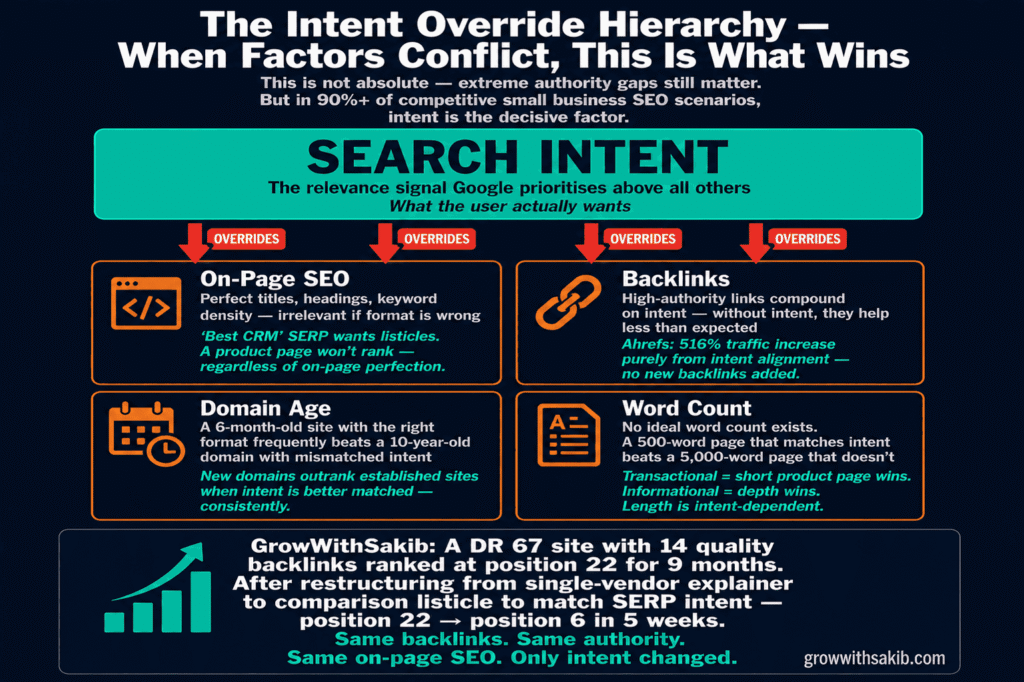
Search intent refers to the reason behind a user’s search query. Understanding intent is critical for creating helpful content.
For example:
- Informational searches seek knowledge.
- Navigational searches seek specific websites.
- Commercial searches compare products or services.
- Transactional searches aim to make purchases.
Content that aligns closely with user intent is more likely to rank and convert visitors into customers.
The Role of AI-Generated Content
One common misconception is that Google automatically penalizes AI-generated content. In reality, Google focuses on content quality rather than how content is produced.
AI can be a valuable tool for research, brainstorming, and drafting. However, content created entirely by AI without human oversight often lacks originality, expertise, and accuracy.
To succeed in the era of Google’s Helpful Content
- Use AI responsibly
- Add human insights and expertise.
- Verify facts and statistics.
- Provide unique value
- Edit content thoroughly
The goal is to create content that genuinely benefits users, regardless of the tools used.
Characteristics of Google’s Helpful Content
Google’s Helpful Content Update rewards content that demonstrates value and usefulness.
Helpful content generally:
Answers Real Questions
Successful content addresses genuine user concerns and provides practical solutions.
Demonstrates Experience
First-hand knowledge, case studies, examples, and personal experiences can improve credibility and usefulness.
Provides Comprehensive Information
Rather than offering shallow explanations, helpful content explores topics in depth.
Remains Accurate and Current
Outdated information can reduce trust and rankings. Regular content updates are essential.
Delivers Unique Insights
Content that offers fresh perspectives stands out from competitors and provides greater value.
Common Mistakes to Avoid
Many websites continue to struggle because they rely on outdated SEO tactics.
Common mistakes include:
Keyword Stuffing
Overusing keywords creates poor reading experiences and can negatively impact rankings.
Creating Content for Search Engines Only
Content should serve human readers first and search engines second.
Publishing Thin Content
Short, generic articles that provide little value are less likely to perform well.
Ignoring User Intent
Even well-written content can fail if it doesn’t address what users are actually searching for.
Producing Content Outside Your Expertise
Publishing on unrelated topics solely to attract traffic can harm credibility and performance.
How Businesses Can Adapt
Businesses that want to thrive after Google’s Helpful Content Update should adopt a user-first mindset.
Focus on Audience Needs
Understand your customers’ challenges, questions, and goals. Create content that helps solve their problems.
Conduct Thorough Research
Accurate and well-researched content builds trust and authority.
Google’s Helpful Content Update
Review older articles regularly to ensure information remains accurate and relevant.
Build Topical Authority
Create clusters of related content that demonstrate expertise in your niche.
Prioritize Value
Every piece of content should have a clear purpose and deliver meaningful value to readers.
The Future of SEO
The Google’s Helpful Content Update signals a broader shift in the future of SEO. Search engines are becoming increasingly sophisticated at understanding content quality, expertise, and user satisfaction.
As artificial intelligence, machine learning, and natural language processing continue to evolve, ranking success will depend less on technical manipulation and more on delivering exceptional user experiences.
Businesses that invest in high-quality content, demonstrate expertise, and genuinely help their audiences will be better positioned for long-term success.
Conclusion
Google’s Helpful Content Update represents a major turning point in the SEO landscape. It reinforces the importance of creating content for people rather than algorithms and rewards websites that prioritize quality, expertise, and user satisfaction.
For businesses, marketers, and website owners, the message is clear: focus on helping your audience. By understanding user intent, providing valuable information, and maintaining high content standards, you can build stronger search visibility, earn greater trust, and achieve sustainable online growth.
In the modern SEO environment, helpful content is no longer just a recommendation—it’s the foundation of long-term digital success.